Characters of the Mahabharata
Meet the legendary figures whose stories interweave with the timeless teachings of the Bhagavad Gita
The House of Kuru
Understanding the relationships between characters helps illuminate the moral dilemmas presented in the Bhagavad Gita. The conflict between cousins, duties to teachers, and bonds of family form the backdrop of Krishna's teachings.
ℹ️ Son of Ganga. Took the sacred vow of celibacy (Bhishma Pratigya) for his father's happiness.
ℹ️ Son of Satyavati & Sage Parashara. The great sage who performed Niyoga to continue the lineage.
ℹ️ Son of Satyavati & Shantanu. Eldest prince of Hastinapura.
ℹ️ Son of Satyavati & Shantanu. Passed away young. Vyasa performed Niyoga to continue the lineage.
ℹ️ Son of Ambika via Niyoga by Vyasa. King of Hastinapura.
ℹ️ Son of Ambalika via Niyoga by Vyasa. His sons were born through divine boons.
ℹ️ Son via Niyoga by Vyasa. Incarnation of Dharma. Wise advisor to kings.
💡 Click on highlighted rows to expand/collapse. Dashed borders indicate spouses.
MEET THE CHARACTERS
Legends of the Mahabharata
Each character brings unique lessons and perspectives to Krishna's timeless wisdom
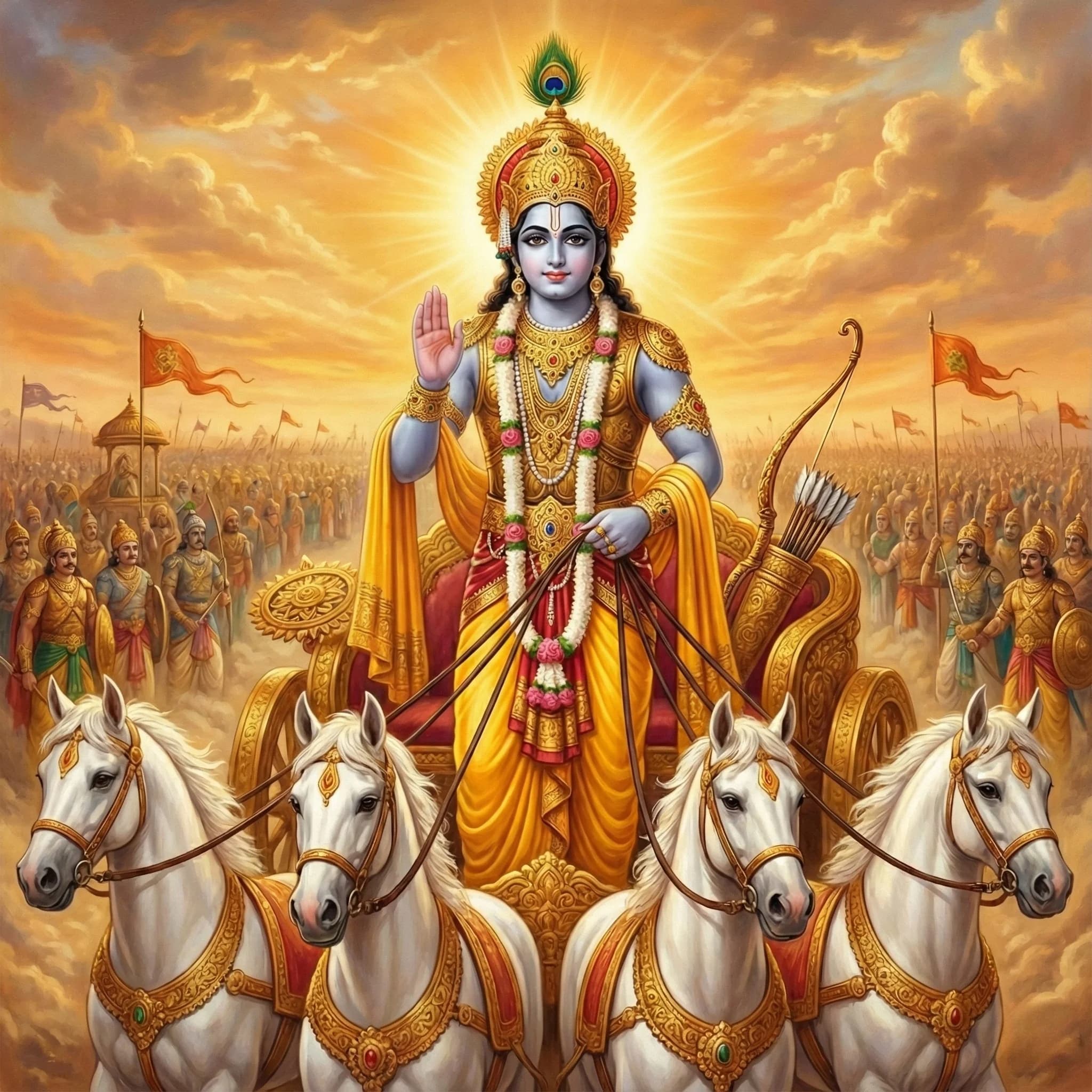
Lord Krishna, the eighth avatar of Lord Vishnu, serves as Arjuna's charioteer and spiritual guide. He is the speaker of the Bhagavad Gita and reveals divine wisdom to Arjuna. Together with Arjuna, he represents the eternal Nar-Narayan - the divine sage duo.
Significance in the Gita
Krishna's role transforms from a friend and charioteer to the Supreme Teacher, ultimately revealing his cosmic Vishvarupa form in Chapter 11.
Key Facts
- Eighth avatar of Lord Vishnu
- Incarnation of Narayan (from Nar-Narayan)
- King of Dwaraka
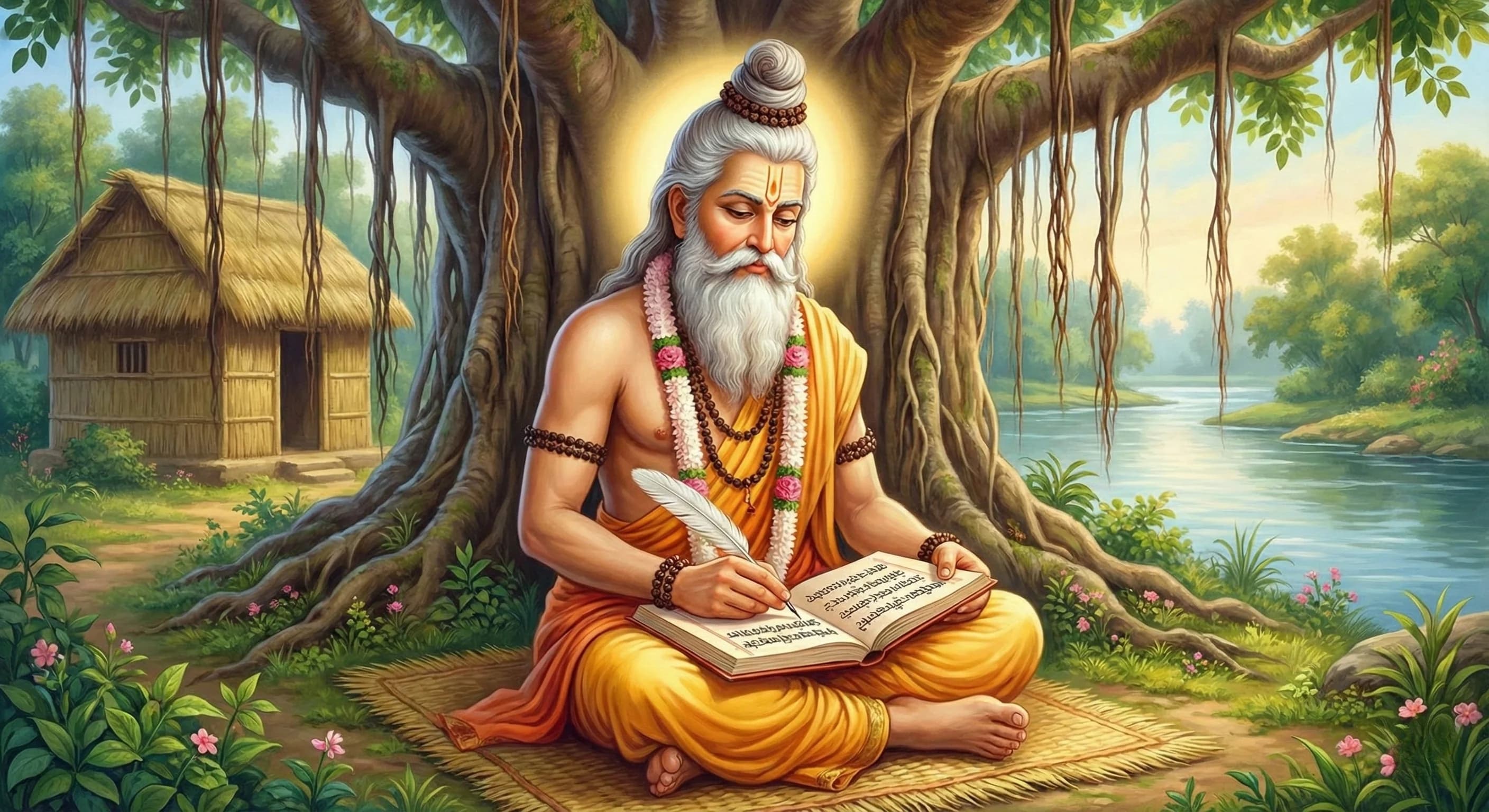
The legendary sage who composed the Mahabharata and compiled the four Vedas. Vyasa blessed Sanjaya with divine vision to narrate the war to Dhritarashtra. He is considered an avatar of Lord Vishnu.
Significance in the Gita
Vyasa's literary contribution preserved the eternal wisdom of the Gita for humanity across millennia.
Key Facts
- Classified the four Vedas
- Author of 18 Puranas
- Father of Dhritarashtra and Pandu
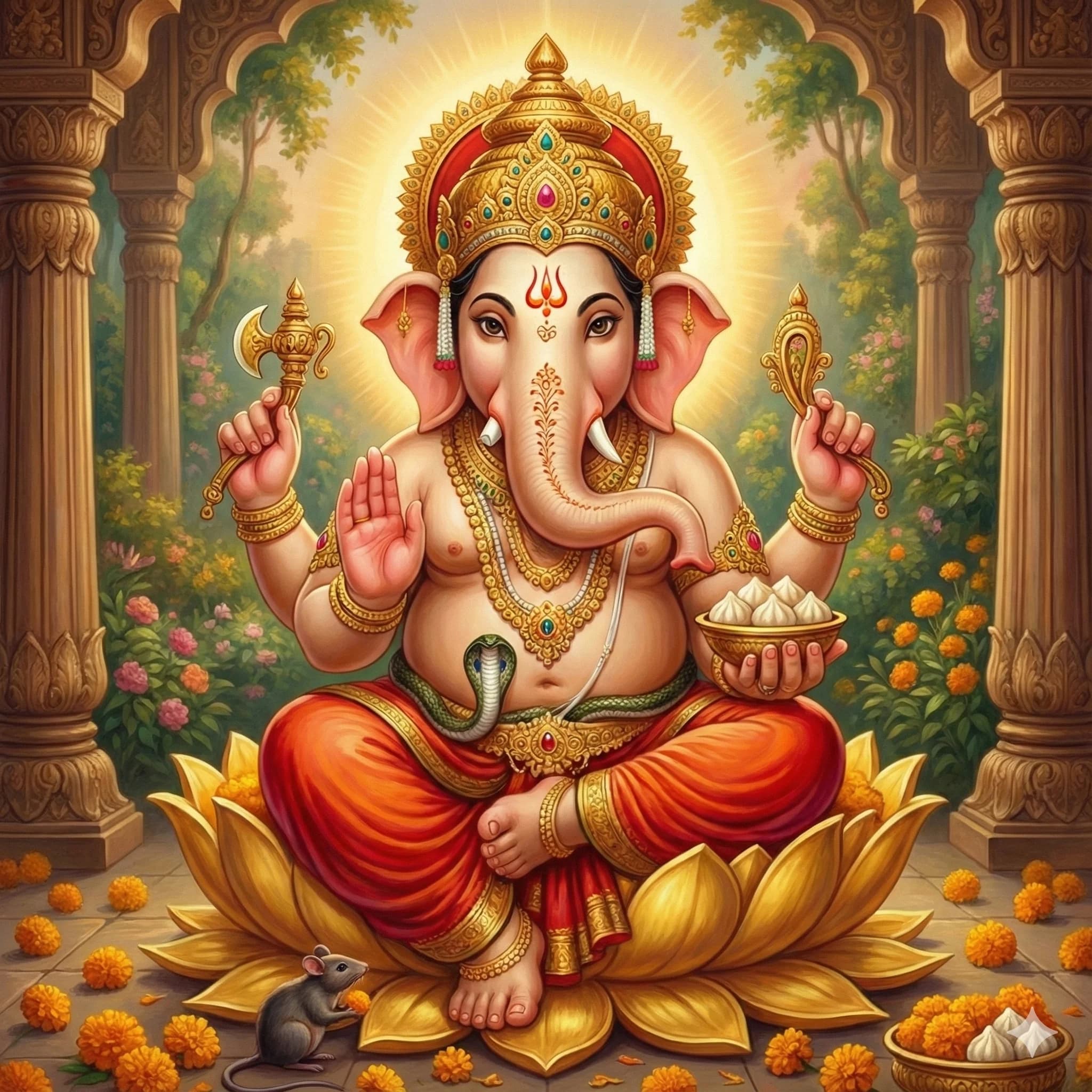
The elephant-headed deity who served as the scribe of the Mahabharata. Ved Vyasa chose Ganesha to write down the epic, and Ganesha agreed on the condition that Vyasa would dictate without pause. This divine collaboration preserved the epic for eternity.
Significance in the Gita
Ganesha's role as the scribe represents the divine blessing that preserves sacred knowledge and removes obstacles to understanding.
Key Facts
- Scribe of the Mahabharata
- Remover of obstacles
- Son of Lord Shiva and Goddess Parvati
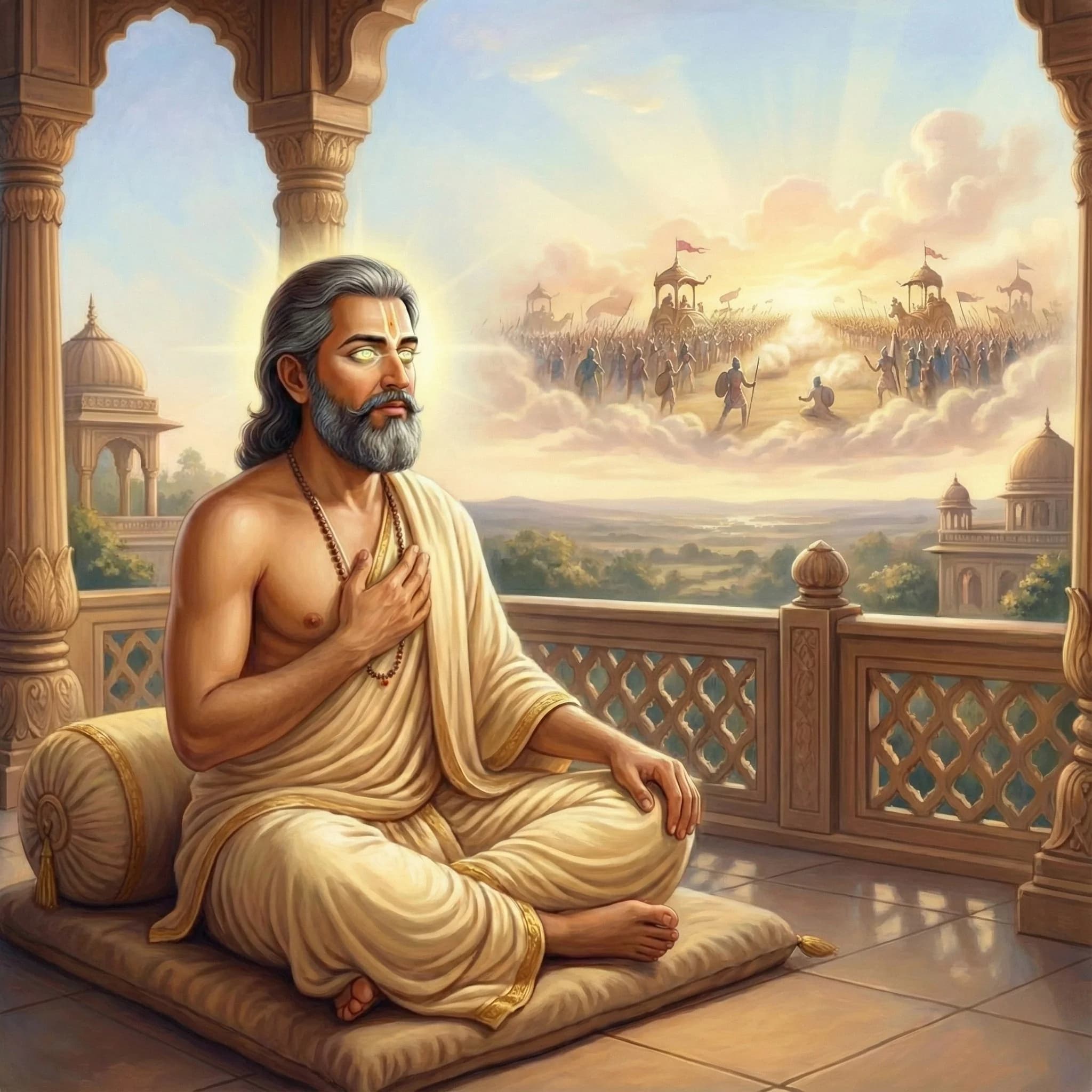
The charioteer and advisor to the blind king Dhritarashtra. Blessed with divya-drishti (divine vision) by Ved Vyasa, Sanjaya could see all events on the distant battlefield and narrated them in real-time.
Significance in the Gita
Sanjaya frames the entire Gita narrative, and his reflections in the final chapter express the profound impact of witnessing Krishna's teachings.
Key Facts
- Blessed with divine vision by Vyasa
- Narrated the entire war to Dhritarashtra
- One of the few survivors of the war
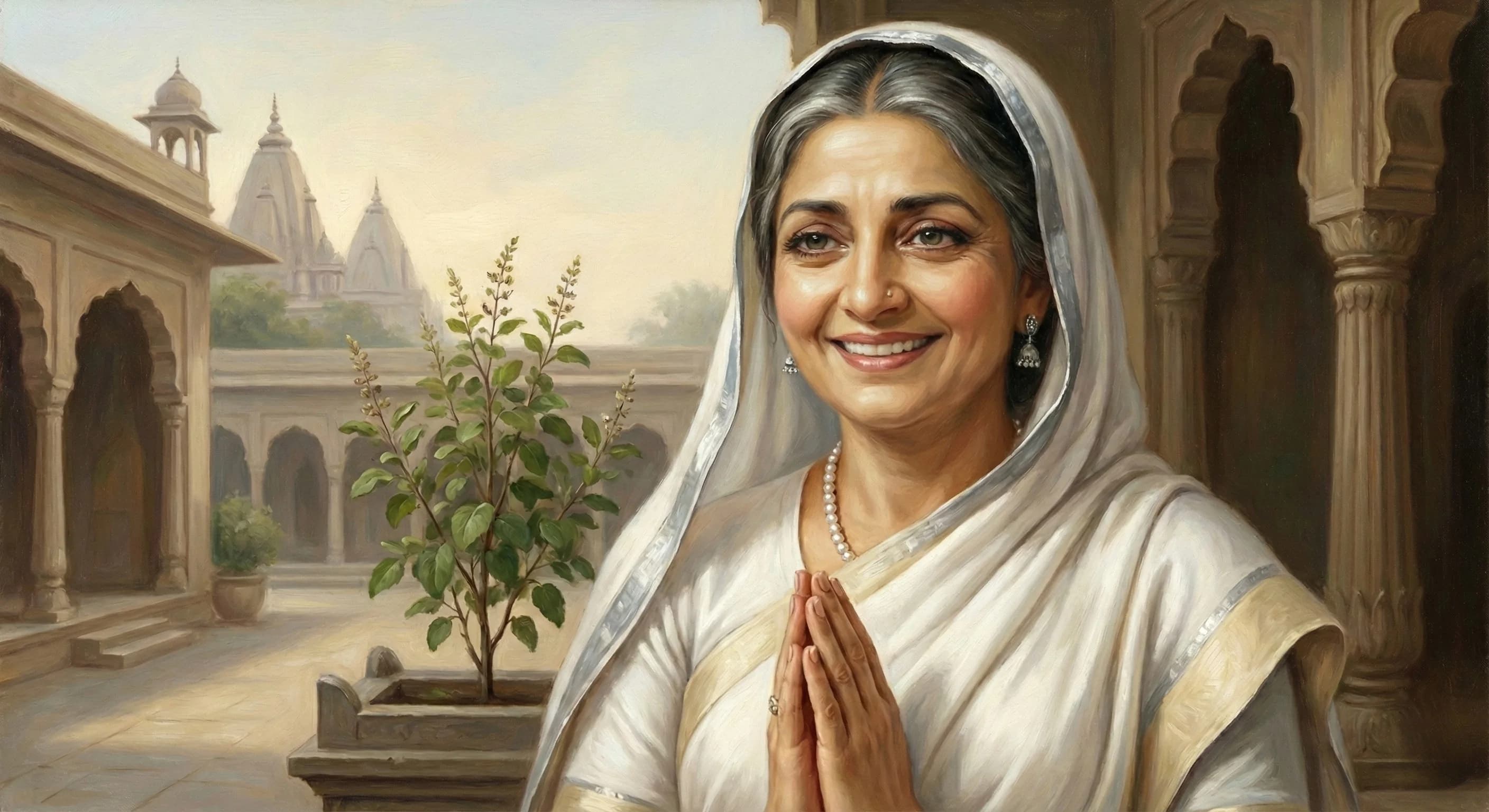
The revered mother of the three eldest Pandavas (Yudhishthir, Bhima, Arjuna) and Karna. Blessed with a divine mantra by sage Durvasa, she could invoke any deity. Her wisdom, devotion, and unwavering strength guided the Pandavas through their greatest trials.
Significance in the Gita
Kunti represents maternal strength, devotion, and the courage to face life's hardships with dignity.
Key Facts
- Mother of Yudhishthir, Bhima, Arjuna, and Karna
- Sister of Vasudeva (Krishna's father)
- Blessed with divine mantra

The eldest Pandava, known for his unwavering commitment to truth and dharma. Son of Dharma (god of righteousness), he became king after the Kurukshetra war despite his reluctance to fight.
Significance in the Gita
Yudhishthir represents the ideal of righteous kingship and the struggles of maintaining dharma in difficult circumstances.
Key Facts
- Son of Dharma (Yama)
- Never spoke a lie until the war
- Performed Rajasuya and Ashwamedha Yagyas

The second Pandava, renowned for his immense physical strength and courage. Son of Vayu (god of wind), Bhima was a formidable warrior and protector of his family, known for his unwavering loyalty to his brothers and commitment to dharma.
Significance in the Gita
Bhima represents strength tempered with loyalty and righteous anger against injustice.
Key Facts
- Son of Vayu (wind god)
- Master warrior of the mace (gada)
- Known for immense strength and courage
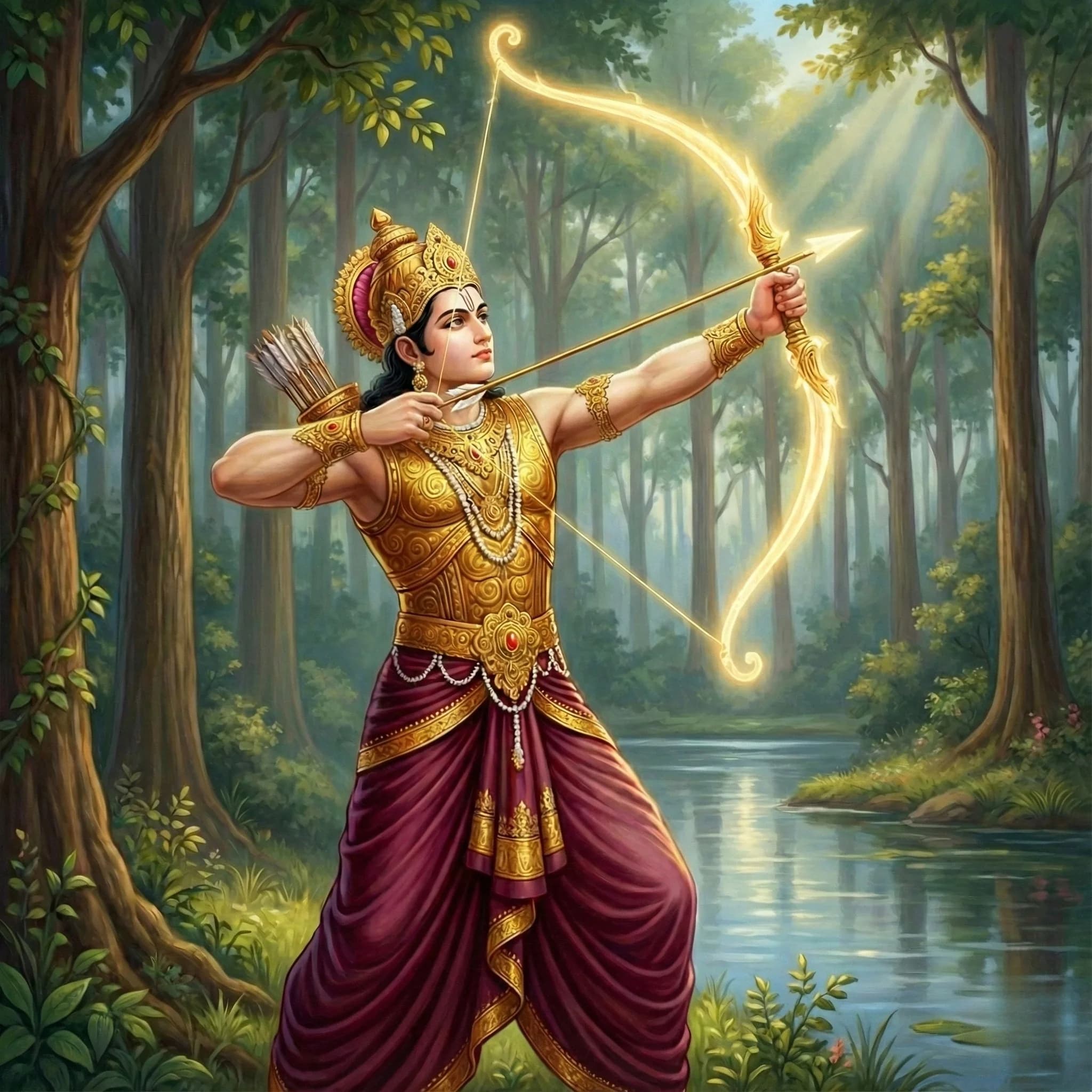
The third Pandava prince and greatest archer of his time. Arjuna's moral crisis on the battlefield becomes the catalyst for Krishna's divine teachings. He represents the ideal seeker - humble, questioning, and devoted.
Significance in the Gita
As incarnation of Nara (from Nar-Narayan), Arjuna represents the eternal companion of the Divine. His questions shape the entire Gita.
Key Facts
- Son of Indra (god of thunder)
- Incarnation of Nara (from Nar-Narayan)
- Winner of Draupadi's Swayamvar
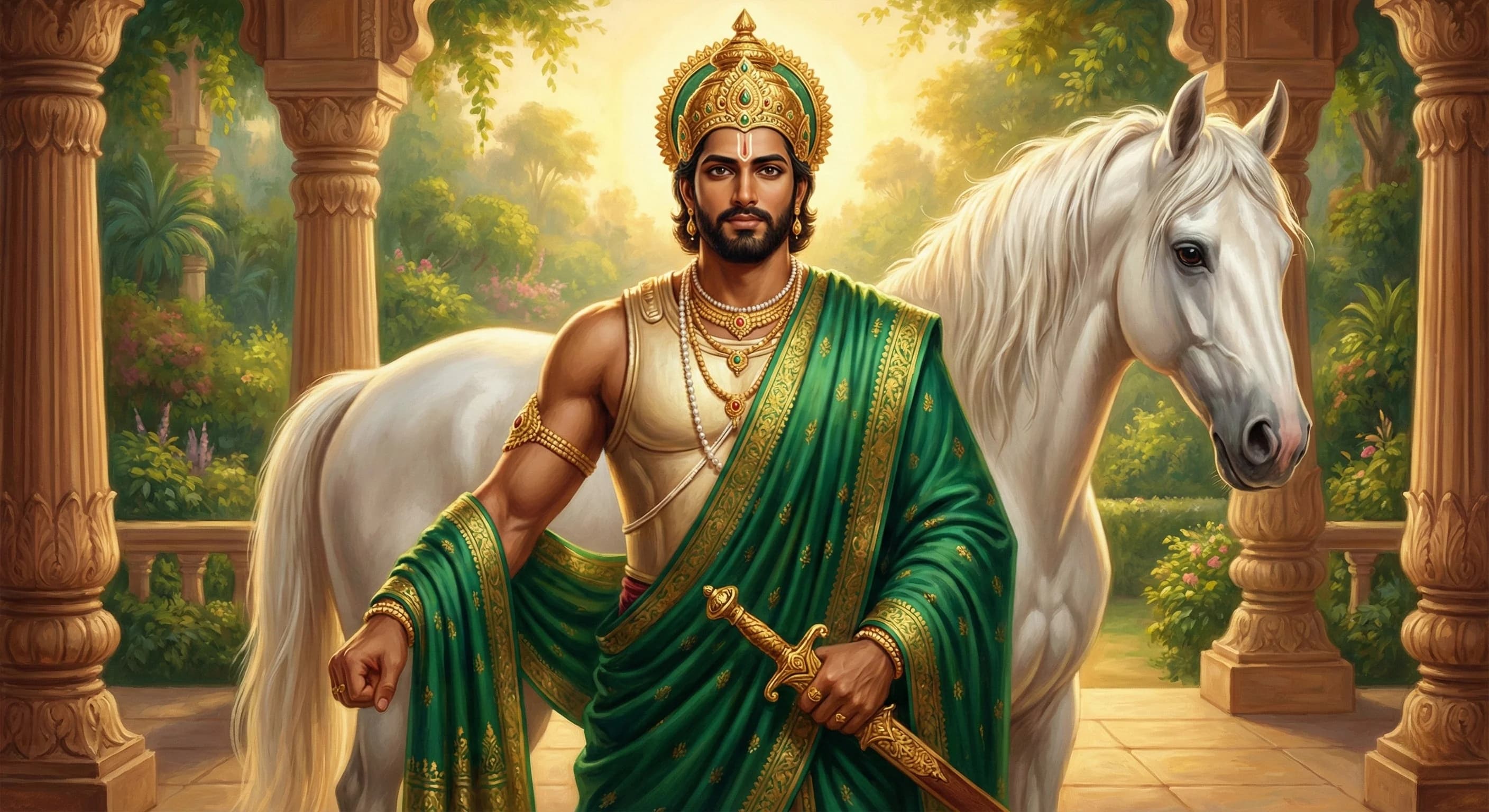
The fourth Pandava and twin brother of Sahadev. Son of the Ashwini Kumaras (divine physicians), Nakul was renowned for his exceptional beauty, swordsmanship, and expertise in horse training and Ayurveda.
Significance in the Gita
Nakul represents beauty combined with humility and dedication to service.
Key Facts
- Son of Ashwini Kumaras
- Twin brother of Sahadev
- Expert swordsman and horse trainer
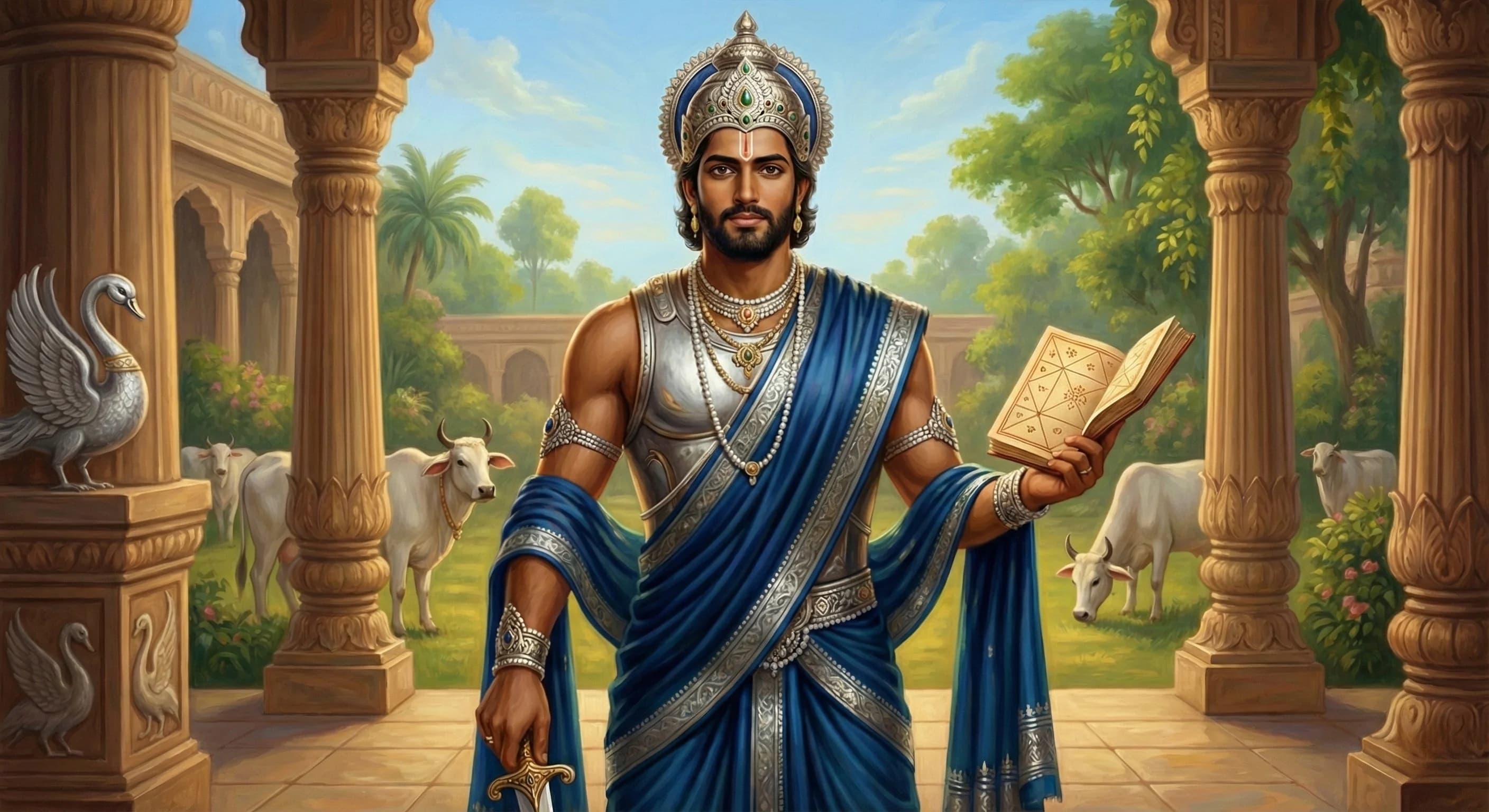
The youngest Pandava and twin brother of Nakul. Son of the Ashwini Kumaras, Sahadev was a master astrologer and possessed deep knowledge of the future. His wisdom was sought by many, yet he remained humble.
Significance in the Gita
Sahadev represents wisdom, foresight, and the burden of knowledge that cannot always be shared.
Key Facts
- Son of Ashwini Kumaras
- Twin brother of Nakul
- Master astrologer
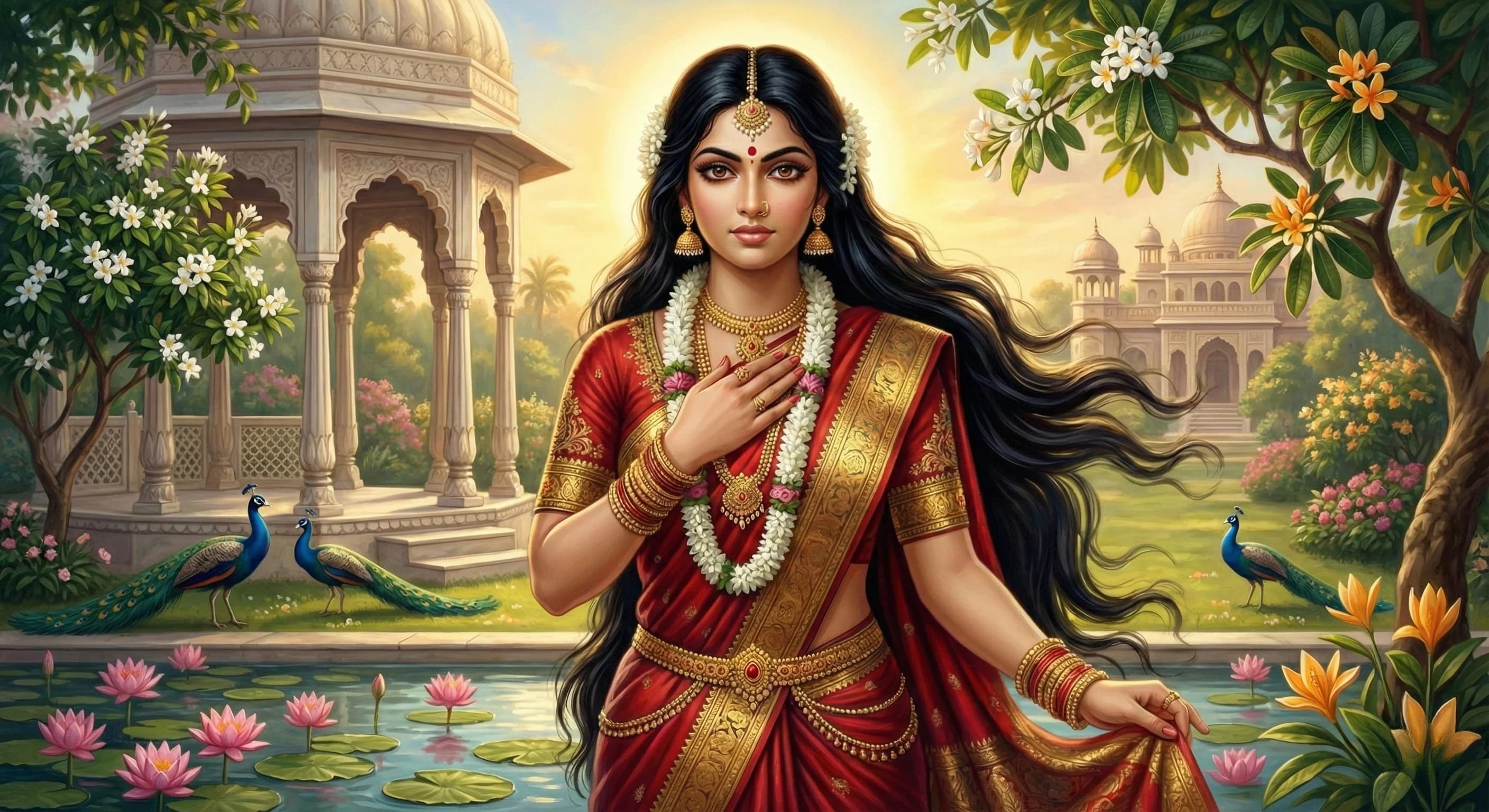
The revered empress and wife of the five Pandavas, daughter of King Drupada. Born from the sacred fire, her strength, dignity, and unwavering devotion to Lord Krishna made her one of the most significant figures in the Mahabharata.
Significance in the Gita
Draupadi represents the honor and dignity that must be protected, and the power of devotion - Krishna always came to her aid.
Key Facts
- Born from sacred sacrificial fire
- Wife of the five Pandavas
- Devoted follower of Lord Krishna

The king of Hastinapura and father of the 100 Kauravas. Despite his wisdom and position, his deep attachment to his sons and inability to guide them on the path of dharma became a key factor in the great war. Sanjaya narrated the Gita to him.
Significance in the Gita
Dhritarashtra represents how deep attachment to loved ones can sometimes cloud one's vision of dharma and righteous duty.
Key Facts
- King of Hastinapura
- Father of 100 Kauravas and one daughter
- The Gita was narrated to him by Sanjaya

The eldest Kaurava prince whose ambition and rivalry with the Pandavas led to the great war. A skilled warrior and master of the mace, Duryodhana inspired fierce loyalty from his allies, especially Karna, and fought bravely until his final moment.
Significance in the Gita
Duryodhana's story illustrates the consequences of allowing ambition and rivalry to overshadow dharma, and the importance of wise counsel.
Key Facts
- Eldest of 100 Kaurava brothers
- Master warrior of the mace (gada)
- Leader of the Kaurava forces
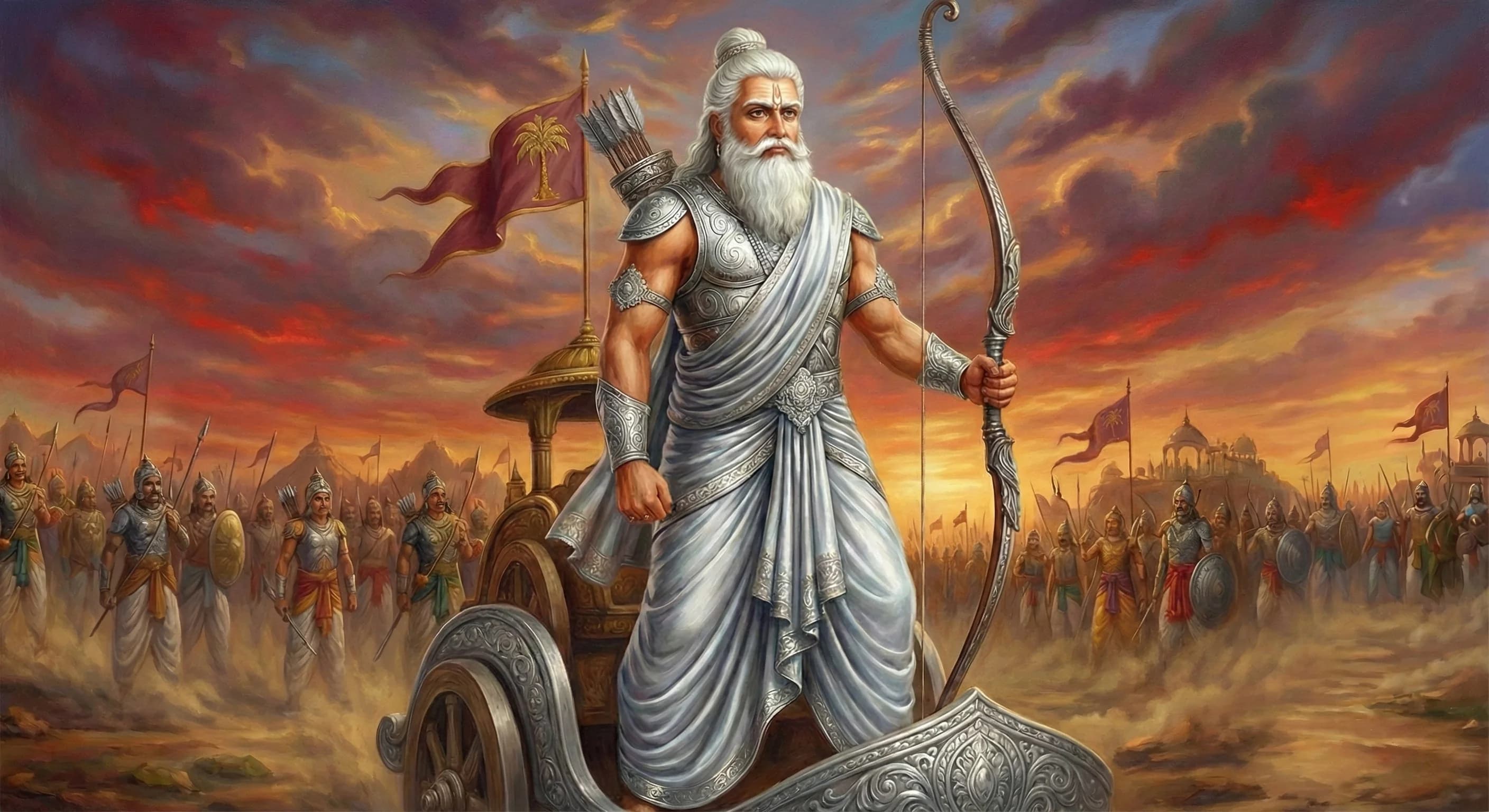
The revered grand-uncle of both Pandavas and Kauravas, Bhishma was bound by his sacred vow to serve the throne of Hastinapura. Known for his wisdom, valor, and unwavering commitment to his word, he served as the Kaurava commander for the first ten days of the war.
Significance in the Gita
Bhishma represents the tragic conflict between personal dharma and duty to one's oath. His discourse on the bed of arrows later became the Shanti Parva.
Key Facts
- Took a vow of lifelong celibacy (Bhishma Pratigya)
- Could choose the time of his death
- Commander of Kaurava forces for 10 days

The legendary guru who trained both Pandavas and Kauravas in martial arts. Despite his affection for Arjuna, his favorite student, Drona fought for the Kauravas due to his obligation to Hastinapura.
Significance in the Gita
Drona exemplifies the conflict between duty and affection, and the price of misplaced loyalty.
Key Facts
- Greatest martial arts teacher of his era
- Arjuna was his favorite disciple
- Commander after Bhishma fell
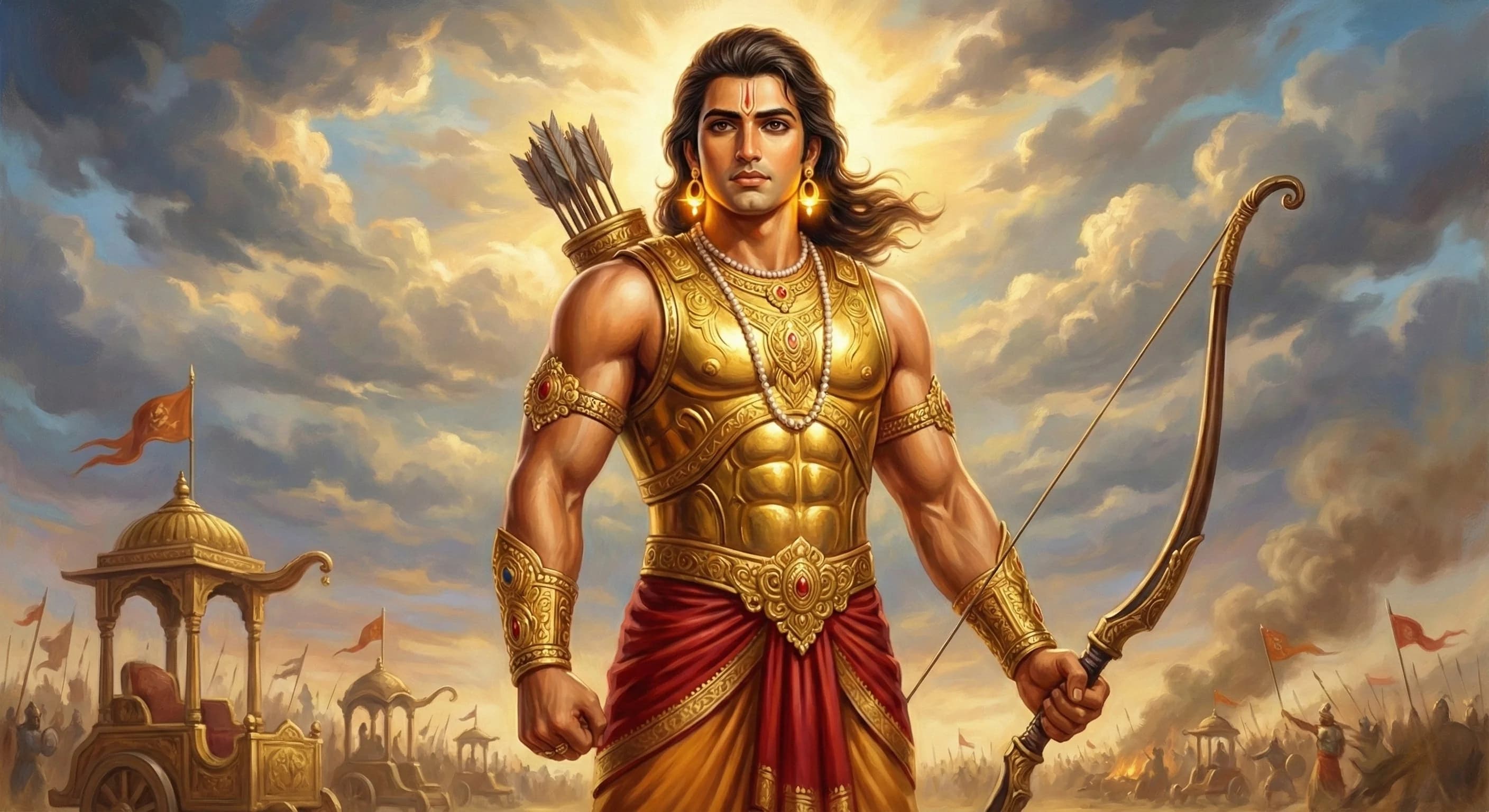
The firstborn son of Kunti, Karna was raised by a charioteer family. Known for his unparalleled generosity and warrior skills, his unwavering loyalty to Duryodhana led him to fight against the Pandavas, creating one of the Mahabharata's most poignant tragedies.
Significance in the Gita
Karna represents the complexities of dharma, loyalty, and destiny. His life teaches us about dignity in adversity and the nobility of character transcending circumstances.
Key Facts
- Firstborn son of Kunti
- Born with divine armor (kavach-kundal)
- Equal to Arjuna in archery
Dive Into the Bhagavad Gita
Now that you know the characters, explore the timeless dialogue between Krishna and Arjuna